 Livescore
The growing influence of politics in sport
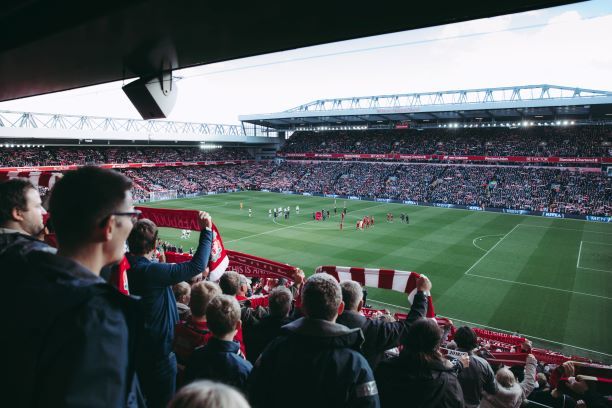
The world game of football is a hugely lucrative industry, with the biggest names turning over billions of dollars between them every year. Aided by global television deals, commercial backing and external endorsements, it’s no surprise that wealthy owners from all spheres of society are becoming heavily involved in the running of clubs.
In this article, we will examine the growing influence of politics in sport, including the clubs whose direction is heavily influenced by those wielding true national and even international power.
Political focus
Political influence transverses many sectors of sport, business and wider society and that is brought into the sharpest possible focus when election time rolls around. At present, we’re waiting to find out who’ll lead America for the next four years.
Incumbent Donald Trump has been heavily involved in sport in previous years, having helped launch a rival competition to the NFL in the 1980s, which ultimately failed. More recently, he played a cameo role in a major WWE event. Opponent Joe Biden has had a much smaller impact outside of the political sphere, though this doesn’t appear to have hurt his chances. The latest Paddy Power odds price Biden at 2/5 to boot Trump out of office, with the Donald an outsider at 15/8.
Manchester City
One of the most prominent examples of state involvement in the ownership of a football club is at Manchester City. The sky blues were transformed after being taken over by a consortium led by Sheikh Mansour.
Mansour is the deputy prime minister of the United Arab Emirates and a prominent member of the Abu Dhabi Royal Family. Under the new ownership model, City have enjoyed unprecedented success, winning the Premier League four times, the FA Cup twice and the League Cup five times. Champions League success has so far eluded City and is understood to be high on the agenda of Mansour, who moved heaven and earth to bring former Barcelona and Bayern Munich boss Pep Guardiola to the club.
Pep Guardiola meets Sheikh Mansour bin Zayed with Chairman Khaldoon Al Mubarak.#mancity pic.twitter.com/eBaC0kk6Dw
— Manchester City (@ManCity) March 14, 2018
İstanbul Başakşehir
A rising star on the European club scene, Başakşehir were crowned champions of Turkey in the last season, earning a place in the Champions League. The club has clawed its way to the top of a league hierarchy that has historically been dominated by Galatasaray, Fenerbache and Besiktas.
Based in the Başakşehir region of Istanbul, the club has strong links to Turkish President Recip Tayyip Erdogan. And although the politician doesn’t hold a formal role in the governance of the club itself, his influence over the club's recent development is apparent. Established just 30 years ago, the club has enjoyed public sector backing throughout its history, overcoming several obstacles setbacks to take its place at the top table of European football, while also challenging Turkey’s status quo.
Always looking up like that you can achieve your goals, I like the team spirit 3 more points 💪💪 @ibfk2014 pic.twitter.com/YOArRaD7Mz
— Rafael da Silva (@orafa2) October 24, 2020
‘These are just two examples of clubs where political influence is a significant factor and there are smaller examples in evidence elsewhere. For example, Chelsea owner Roman Abramovich has close links to the Russian Government, while much of the funding behind the ownership of Paris Saint Germain comes from the Qatari public sector.’
It seems everywhere you look there is political influence in football ownership and it appears likely that this trend will continue for decades to come.